



Why Choose Ruian Shengxiang Packaging Machinery Co.,Ltd.?
Ruian Shengxiang Packaging Machinery Co., Ltd. founded in 2010, is a development, design, production, sales, and service as one of the private economic entities. Mainly specialized in manufacturing of crosscutting, A4 paper cutters, cutting machines, roll cutting machines, rewinding machines, printing machines and other packaging equipment manufacturing.
Professional Technical Team
The company has a group capable of mechatronics engineering professionals and light industry equipment manufacturing experience, an abundant technical team, and a perfect system of processing, to absorb advanced technology at home and abroad at the same time.
Wide Range of Exports
We combine the market demand, constantly opening new packaging equipment, products are exported to: America in the Middle East, Africa, Southeast Asia, Europe and other countries and regions, well received by customers and favor.
Professional Service
We provide 24-hour service and can provide personalized solutions according to customer needs.
Wide Range of Products
We have a variety of products. Our main products include Slitting Machine, Cutting Machine, Paper Sheeting Machine, Bag Making Machine, Printing Machine and Packaging Machine.


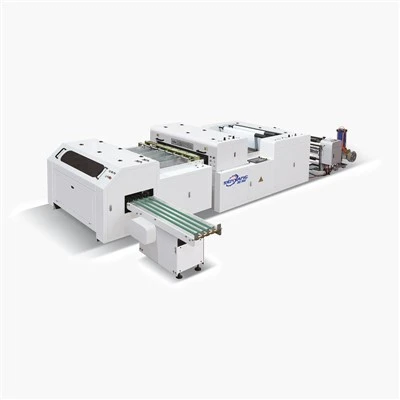
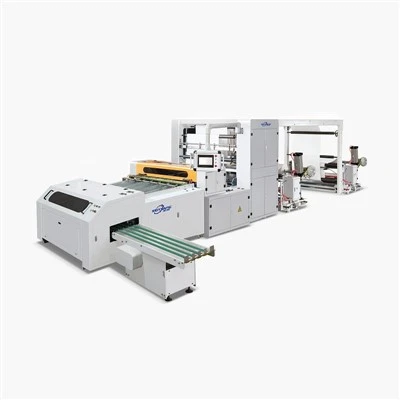
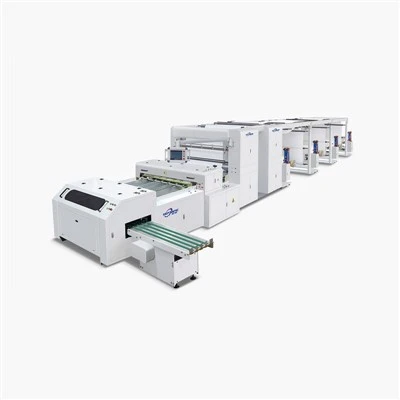
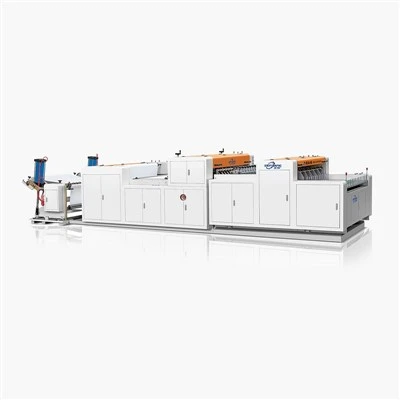
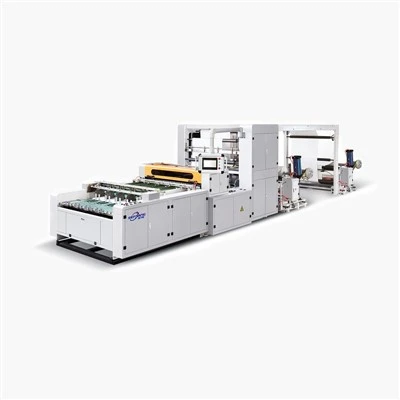
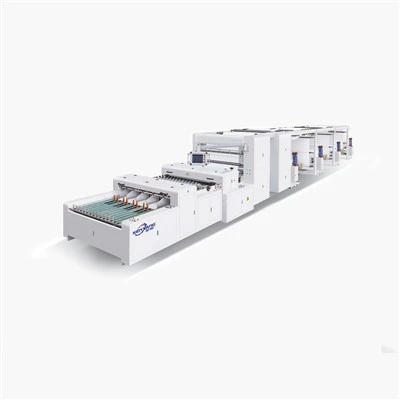

What is Cutting Machine?
A cutting machine refers to a device or equipment used to cut various materials into desired shapes or sizes. It is widely used across different industries for applications that involve precise cutting, shaping, or trimming of materials. Cutting machines can be manual, semi-automatic, or fully automated, depending on the complexity of the task and the specific requirements of the application.
Features of Cutting Machine


Cutting Mechanism:
Blade Types: Different cutting machines use various blade types, such as rotary blades, straight blades, or specialty blades depending on the material being cut.
Adjustable Depth: Some cutting machines allow users to adjust the cutting depth to accommodate different material thicknesses.
Material Compatibility:
Versatility: Cutting machines are designed to cut a wide range of materials, including paper, fabric, vinyl, leather, wood, metal, and more.
Multi-Material Cutting: Advanced cutting machines may have the capability to cut multiple materials without the need for blade changes.
Cutting Area and Size:
Large Cutting Area: Some cutting machines are equipped with a larger cutting area, allowing for the processing of larger sheets or rolls of material.
Customizable Size: Adjustable settings to customize the size and dimensions of the cuts.
Automation and Precision:
Computer Numerical Control (CNC): CNC cutting machines offer precision and automation through computer programming, ensuring accurate and repeatable cuts.
Laser Guidance: Laser cutting machines often include laser guidance systems for precise positioning and cutting.
Software Integration:
Design Software Compatibility: Cutting machines may integrate with design software to allow users to create and customize cutting patterns digitally.
USB/Bluetooth Connectivity: Some cutting machines offer connectivity options for easy transfer of cutting designs from computers or mobile devices.
Ease of Use:
User-Friendly Interface: Intuitive control panels or touchscreens make it easy for users to set up and operate the cutting machine.
Automatic Settings: Some cutting machines come with pre-set cutting settings for specific materials, simplifying the setup process.
Safety Features:
Safety Sensors: Sensors that detect obstacles or obstructions to prevent accidents during operation.
Emergency Stop Button: A safety feature allowing immediate cessation of cutting operations in case of emergencies.
Cutting Speed and Power:
Variable Speed Control: Adjustable cutting speeds to accommodate different materials and cutting requirements.
Powerful Motor: Higher-powered motors for efficient and quick cutting.
Material Feed Systems:
Roll Feeder: Allows for continuous feeding of rolled materials for uninterrupted cutting.
Mat Feeder: For cutting individual pieces from flat materials like paper or fabric.
Maintenance and Durability:
Easy Maintenance: Cutting machines with components that are easy to clean and maintain.
Durable Construction: Sturdy construction to withstand regular use and ensure long-term durability.
Types of Cutting Machine
Paper Cutting Machine: Primarily used in the printing and paper industry, these machines cut large sheets or rolls of paper into smaller, more manageable sizes, such as sheets or specific dimensions.
Fabric Cutting Machine: Designed specifically for cutting fabrics, these machines are used in the textile or apparel industry. They can cut layers of fabric into precise shapes or patterns, improving efficiency and accuracy in garment manufacturing.
Laser Cutting Machine: Utilizing laser technology, these machines provide highly accurate and intricate cutting abilities. They are capable of cutting a wide range of materials, including metal, wood, acrylic, and fabric. Laser cutting machines are commonly used in industries such as signage, automotive, and jewelry.
CNC Cutting Machine: Computer Numerical Control (CNC) cutting machines use computer programming and motorized cutting tools to accurately cut materials. They can be used for various materials, such as metal, wood, plastic, or foam, and are widely used in industries including manufacturing, prototyping, and construction.
Waterjet Cutting Machine: These machines utilize a high-pressure jet of water mixed with abrasive particles to cut through a wide range of materials, including metals, stone, glass, and composites. Waterjet cutting allows for precise and intricate cuts in a non-heat-affected zone.
Die Cutting Machine: Often used in the packaging industry, die cutting machines utilize specialized dies to cut consistent shapes or designs from materials such as paper, cardboard, or thin plastics. They are commonly used for creating packaging boxes, labels, and various decorative or functional shapes.
Advantages of Cutting Machine
Less Time
This machine cuts the same amount of paper in less than 10 minutes, while manual labor and other equipment would take longer. If your business doesn't want to waste extra time with semi automatic paper cutting machine, now is the time to do it. Since you don't have to feed a semi-automatic paper-cutting machine like this one, it is undoubtedly a worthwhile investment because it can cut labor times in half.
Centralized Control
Due to the automatic nature of everything, using it is made simple and allows for quiet experimentation with options that can adjust the cutting's size or shape. This keeps everything under control and maximizes efficiency.
Less Cutting Loss
Large amounts of paper loss can be reduced by using a paper-cutting machine. There is only leeway for slight faults due to the laser technology used in these paper cutting machines. This eliminates the have to obtain those papers back to back occasionally.
Printing and Packaging: Cutting machines are used in the printing and packaging industry to cut and shape materials such as paper, cardboard, and labels. They enable the production of accurately sized sheets, packaging boxes, or custom-shaped labels.
Textile and Apparel Industry: In garment manufacturing, cutting machines are employed to cut fabrics into pattern pieces with precision and efficiency. They improve productivity and accuracy in industries such as fashion, upholstery, and home textiles.
Signage and Graphics: Cutting machines are used to create custom shapes, letters, and designs from materials like vinyl or acrylic for signage, vehicle graphics, banners, or wall decals.
Metal Fabrication: CNC cutting machines (such as laser or plasma cutters) are widely used in metal fabrication industries to cut and shape metal sheets or pipes for construction, automotive, or aerospace applications.
Woodworking and Furniture Industry: Cutting machines are utilized to cut and shape wood panels, boards, or curved pieces for furniture manufacturing or carpentry applications.
Automotive Industry: Cutting machines are employed in the automotive industry to cut materials like carpets, foam, or leather for upholstery, interior components, or precision trimming.
Model Making and Prototyping: Cutting machines are used to precisely cut materials like foam, plastic, or wood for model making, architectural prototypes, or product design.
Crafts and Hobbyist Applications: Cutting machines are popular among hobbyists and crafters for cutting paper, cardstock, vinyl, or fabric for scrapbooking, card making, or DIY projects.
Packaging and Labeling: Die cutting machines are often used in the production of packaging boxes, cartons, or labels to create precise shapes, windows, or perforations.
Education and DIY: Cutting machines are utilized in educational settings, maker spaces, or for DIY projects to cut materials like paper, fabric, or foam for various creative or learning purposes.
How to Choose Cutting Machine
Size: The size of the materials you wish to cut and the amount of space available will define the size of the cutting machine. Make sure the cutting machine can handle huge materials if you intend to cut them.
Strength: The strength is the amount of pressure the material can withstand from the cutting machine. Increasing the pressure allows the machine to cut through steel and other rigid materials.
Durability: You want to make sure a cutting machine will last because it is an expensive investment. Choose a device with a robust warranty that is constructed with premium components.
Ease of Use: The cutting machine should not pose too much of a challenge for you to set up and use. Find a device with simple-to-follow directions and an intuitive user interface.
Cost: You should shop around for the greatest price, just as with any other purchase. But remember that sometimes the lowest option isn't the greatest deal. To ensure you're getting a good value, consider the die-features cutters and functionality.
Read the User Manual:
Before using the cutting machine, thoroughly read the user manual provided by the manufacturer. This will provide specific instructions, safety guidelines, and maintenance information.
Choose the Right Blade or Tool:
Select the appropriate cutting blade or tool based on the material you are cutting. Different blades are designed for various materials such as paper, fabric, vinyl, or metal.
Prepare the Material:
Ensure that the material to be cut is clean, properly positioned, and securely fastened to the cutting surface. For fabrics, smooth out wrinkles or folds.
Load the Material onto the Cutting Surface:
Place the material on the cutting mat or bed, ensuring it is aligned correctly. Some cutting machines have specific loading instructions, so follow the guidelines provided.
Configure Settings:
Adjust the cutting machine settings based on the type and thickness of the material. Settings may include blade depth, speed, and pressure. Refer to the user manual for recommended settings.
Load Design or Pattern:
If using a digital cutting machine, load the design or pattern into the machine using the provided software. Ensure that the design is correctly positioned on the material.
Perform Test Cuts:
Before cutting the entire design, perform a test cut to ensure that the blade depth and settings are appropriate. Make adjustments if needed.
Initiate Cutting Process:
Start the cutting machine, and observe the cutting process. Some machines may have a start button, while others are controlled through software.
Monitor the Cutting Process:
While the machine is cutting, monitor the process to ensure that the cuts are accurate and the material is fed properly. Be ready to address any issues that may arise.
Unload the Material:
Once the cutting is complete, carefully unload the material from the cutting machine. Check the cut pieces to ensure they meet your specifications.
Update Large Machinery Operator Training
Operators should be well-versed in operating metal-cutting machines. Among the important responsibilities of an operator is ensuring the proper inspection and operation of the equipment.
Machine operators should undergo proper training. However, training should be constantly updated to keep up with the latest technology. As workers come and go, their skills will eventually fade, which results in poor operation.
Revisions for a specific work situation can be made in operator manuals. Use shorter and simpler language to make the manual an easy reference. Make sure to also identify and include the best machine operation best practices which operators must implement. Sharing crucial knowledge about machine care and maintenance is valuable to both the company and employees.
Inspect Machine Lubrication Regularly
Check the lubrication level of frequently used machines on a weekly basis. Lubricants protect the moving parts by reducing friction. Regular lubrication maintenance benefits extended machine life. Without proper lubrication, the metal-cutting machine could potentially face premature wear and tear, which leads to extensive damage and costly repairs. Refer to the operator’s manual and use the manufacturer-recommended lubricant.
Check Alignment Specification
Check your machine for any misaligned attachments or components to prevent fatal workplace accidents. Also, misalignment of attachments can affect the quality work of your machine. To determine proper alignment, conduct a few test jobs and take note of the results. If the alignment is off, simply have a professional to realign the machine to maintain accurate specifications.
Ensure Cleanliness of the Machine
Cleanliness is essential in ensuring machine optimum performance and capacity. Make sure to clean the machine on a daily or weekly basis. Overlooking the cleanliness of the machine can result in frequent breakdown and costly repairs. Seals and filters should be clean and free of contamination. Inspect if seals are in good condition and change filters regularly to prevent oil mist from contaminating the indoor air.
Check for Signs of Wear
Various factors can contribute to the premature breakdown of the machine. Machine vibration is simply the back and forth movement of the machine's components. Over time, this movement can loosen some parts and lead to misaligned gears and belts.
Other signs of machine wear to look out for include mechanical shock (caused by poor operator technique and accident); high temperature (caused by overuse, friction, worn parts, and lack of lubrication); old age (e.g. warped belts, cracked and dry seals, loosened and stretched bolts)
Once you detect any signs of wear on the machine's moving parts, make sure to replace any worn parts immediately.
Our Factory
We have a complete factory production, quality supervision and delivery.

Our Certificate
At present, we have obtained the following certificates.

Ultimate FAQ Guide to Cutting Machine
As one of the most professional cutting machine manufacturers and suppliers in China, we're featured by quality products and competitive price. Please rest assured to buy cheap cutting machine made in China here from our factory. Contact us for quotation.
Fully Auto Paper Cutting Machine, , A4 Sheet Cutter